What Is Temur Rhinos?
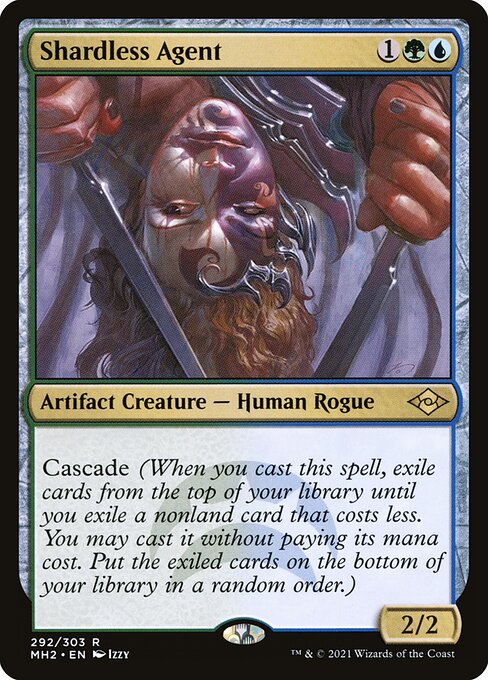
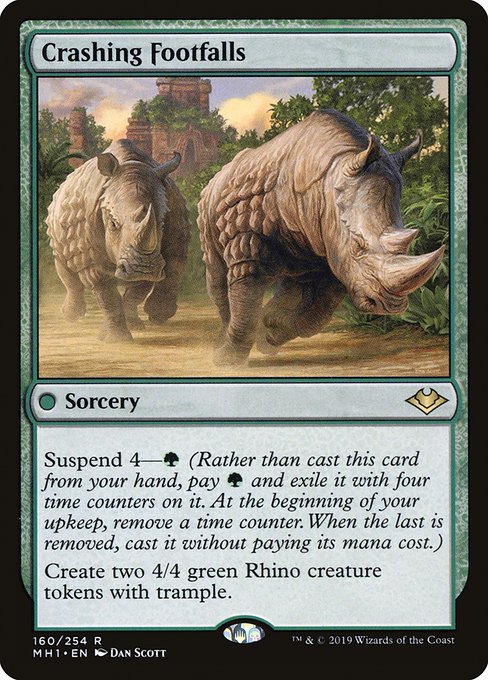
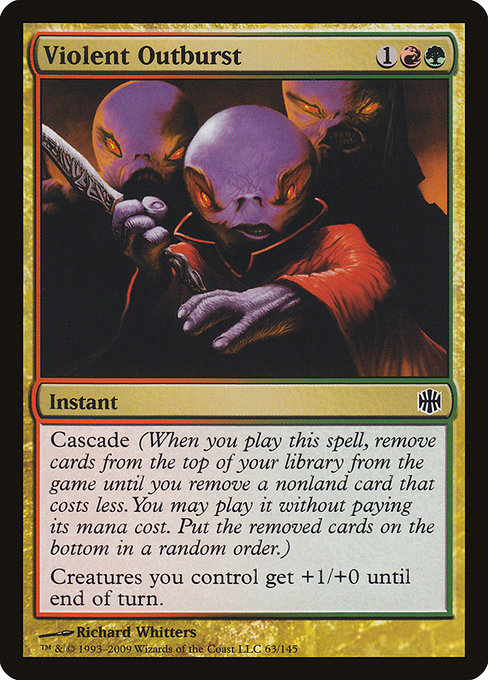
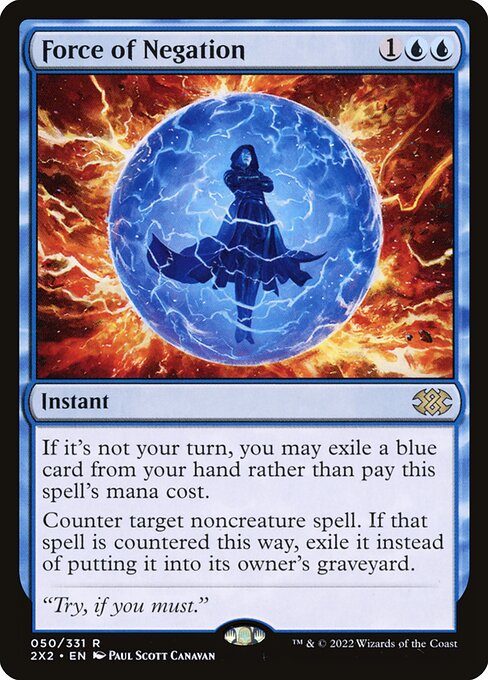
Temur Rhinos does one thing and does it well: cast Violent Outburst or Shardless Agent, cascade into Crashing Footfalls, and drop 8 power of trampling Rhinos onto the board for three mana. Then it protects them with free counterspells like Force of Negation and Subtlety. If you have played against this deck, you know the feeling: you tap out, they cascade at instant speed, and suddenly you are staring down two 4/4s with no good blocks.
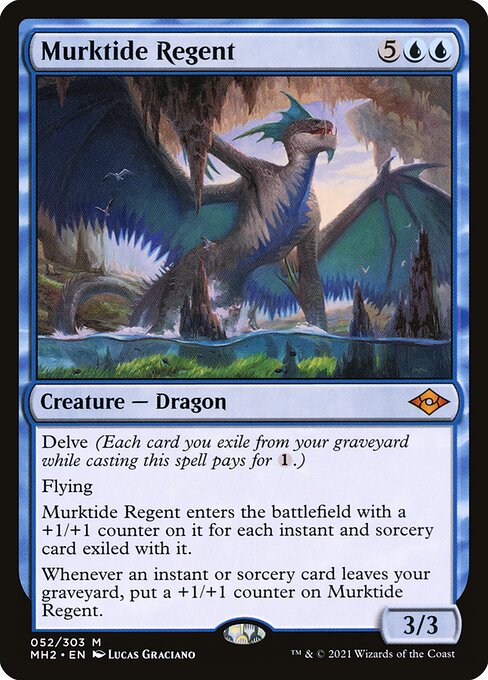
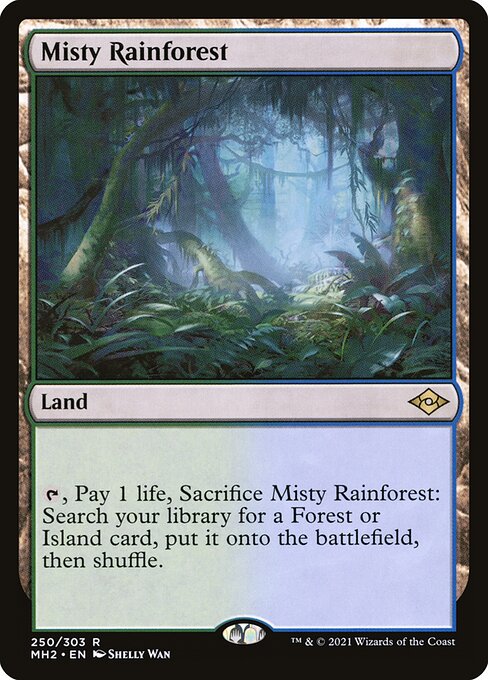
I have been running Rhinos at my local Modern events for the past few months, and the deck rewards tight play more than the just cascade and win reputation suggests. Here is everything you need to know to pick it up or beat it.
Why Rhinos Right Now?
The Modern meta keeps shifting, but Rhinos stays competitive because its core plan is hard to disrupt. You are casting a 3-mana spell that produces 8 power, and backing it up with free interaction means opponents need multiple answers just to stabilize.
The Core Engine: Crashing Footfalls & Cascade
Crashing Footfalls
Crashing Footfalls has a mana value of 0 and creates two 4/4 Rhinos with trample. You never suspend it (suspend 4 — {G} is way too slow). Instead, the entire deck is built so that cascade spells always hit Footfalls — it's the only card with mana value less than 3. Two Rhinos for zero mana. That's the whole trick, and it's been good enough to put up consistent results in Modern since Modern Horizons 2.
Shardless Agent & Violent Outburst: Your Cascade Enablers
To unleash the fury of Crashing Footfalls, Temur Rhinos relies on its suite of cascade enablers, primarily Shardless Agent and Violent Outburst. The cascade mechanic is simple yet incredibly powerful: when you cast a spell with cascade, you exile cards from the top of your library until you exile a nonland card that costs less than the cascaded spell. You may then cast that exiled card without paying its mana cost. Shardless Agent, a 2/2 artifact creature with cascade for {1}{G}{U}, is a potent enabler. Its 3-mana cost allows it to reliably cascade into Crashing Footfalls, providing both a body and two Rhinos. Violent Outburst, an instant for {1}{R}{G}, is arguably even more critical. Being an instant, it allows the deck to cascade at the end of an opponent's turn or in response to their actions, often ambushing them with a massive board. Both spells are chosen specifically for their mana cost (allowing them to hit the 0-cost Footfalls) and their respective upsides – the extra body from Agent and the crucial instant speed of Outburst. The entire deck is carefully constructed to ensure Crashing Footfalls is the *only* zero-mana value card, guaranteeing a successful cascade into the army of trampling Rhinos.
Building the Beast: Key Card Choices
The Interaction Suite: Force of Negation, Subtlety, Dead/Gone, Fire/Ice
Beyond the explosive cascade, Temur Rhinos excels at controlling the pace of the game through a finely tuned interaction suite. Force of Negation is a cornerstone, offering the best protection available for your critical cascade spells or serving as a vital disruption against opposing threats, especially during non-combat phases. Its ability to be "pitched" for free with another blue card is invaluable for maintaining tempo. Subtlety, one of the more recent additions, provides incredible versatility; it can bounce a problematic creature back to hand or, crucially, put it on top of the library, effectively time-walking an opponent while presenting a 3/3 flying body. Both of these free spells fit hand-in-glove with the deck's proactive yet controlling game plan. Dead/Gone offers efficient removal for smaller threats, while Fire/Ice provides dual utility: Fire acts as a Shock for creatures or planeswalkers, and Ice serves as a cantrip or a tap-down effect to clear blockers or interrupt mana. These cards are chosen for their efficiency, flexibility, and their ability to keep the board clear for the Rhino stampede or protect it once it lands.
Pitch Elementals: Fury, Endurance, Solitude (and why they fit)
The Modern Horizons 2 "pitch" elementals are a natural fit for Temur Rhinos, extending the theme of free, high-impact spells. Fury is exceptional for handling creature-heavy boards, providing a powerful answer to multiple small-to-midsize threats through its enter-the-battlefield ability or as a hard-cast 3/3 double striker. Endurance is a crucial main deck or sideboard tool against graveyard strategies, disrupting Delve threats, Murktide Regent, or reanimator synergies, all while offering a solid 3/4 reach body. Solitude, though less common in Temur builds due to its white color, is a premium removal spell capable of exiling any creature, regardless of size, for a significant tempo advantage. The genius of these cards in Rhinos lies in their synergy with the deck's overall strategy: they can be "pitched" by exiling another card of their color, allowing for powerful effects to resolve without spending mana. This 'free' casting cost aligns perfectly with the deck's goal of disrupting opponents while developing its own board, providing answers to threats without slowing down the cascade plan.
Mana Base & Utility Lands: Fixing and Flexibility
The Temur Rhinos mana base is carefully constructed to ensure consistent access to all three colors (red, green, blue) required for its diverse spells. fetch lands like Misty Rainforest and Scalding Tarn do the heavy lifting, fetching both basic lands and shock lands such as Stomping Ground, Steam Vents, and Breeding Pool. This provides perfect mana fixing while also thinning the deck slightly. A healthy number of basic lands (Island, Forest, Mountain) are included to play around Blood Moon and provide resilient mana sources. In terms of utility, Boseiju, Who Endures is a prevalent inclusion. This legendary land offers a highly efficient, often uncounterable answer to problematic artifacts and enchantments, or even opposing utility lands, for a minimal cost. Its inclusion adds a layer of interaction and resilience, allowing the deck to clear troublesome permanents without dedicating a spell slot, further enhancing its flexible game plan.
Flex Slots & Tech Choices: Blood Moon, Leyline Binding, Grief, Thoughtseize
While the core of Temur Rhinos is locked in, the deck offers several flex slots that allow for meta-dependent tech choices to optimize its performance. Blood Moon, a red enchantment, can be an absolute game-ender against greedy mana bases, effectively shutting down multi-color decks and utility lands. It's a powerful prison piece that can win games on its own. Leyline Binding, a recent powerhouse, is a consideration for its incredibly efficient, often 1-mana, exile effect on any non-land permanent, especially when the deck runs a sufficient number of basic land types. While Grief and Thoughtseize are not typically found in the stock Temur Rhinos list due to their black mana requirements, they illustrate the potential for splashes or radical shifts in specific metagames where hand disruption matters most. These cards represent the deck's adaptability; by fine-tuning these flex slots, players can significantly improve specific matchups, showcasing the strategic depth available to Temur Rhinos pilots.
Piloting the Herd: Strategy and Gameplay
Early Game: Setting Up Your Cascade
The early game for Temur Rhinos is a delicate dance of mana development and hand sculpting, all geared towards a powerful cascade turn. Prioritize playing fetch lands and cracking them for appropriate shock lands or basic lands to ensure access to all three colors. Cantrips like Brainstorm (if included in a specific build) or the Ice half of Fire/Ice are crucial for digging for cascade spells or interaction. The primary goal is to reach three mana for Shardless Agent or Violent Outburst as quickly and safely as possible. There's a constant tension between deploying a land on turn one or two and holding up interaction like Force of Negation to protect your cascade or disrupt an early opposing threat. Identifying your opponent's key early plays and deciding whether to answer them immediately or push for your own game plan is critical. Don't be afraid to take a hit if it means resolving a turn three cascade into a pair of 4/4 Rhinos.
Mid Game: Rhinos on the Attack, Interaction on Defense
Once Crashing Footfalls has resolved and your army of 4/4 Rhinos is on the battlefield, the mid-game shifts to an aggressive stance. The Rhinos apply immediate, significant pressure with their trample ability, demanding an answer from your opponent. Your role now is to protect your newfound advantage and further disrupt your opponent's attempts to stabilize. This is where your interaction suite shines. Use Force of Negation to counter board wipes or crucial removal spells aimed at your Rhinos. Leverage Subtlety to tempo out dangerous threats or bounce blockers. Efficient removal like Dead/Gone keeps the path clear for your trampling beasts. Sequencing your threats and answers is where games are won or lost: when to attack, when to hold back a blocker, and when to deploy additional interaction to secure your lead. Maintaining the aggressive clock while expertly picking apart your opponent's defenses is the key to victory in this phase.
Late Game: Closing Out and Grinding
While Temur Rhinos aims to end games quickly, it's surprisingly resilient in longer, grindier matchups. If the initial stampede of Rhinos is dealt with, the deck pivots to leaning on its remaining cards. Pitch elementals like Fury and Endurance become incredibly valuable as hard-cast threats that provide card advantage or crucial disruption. Hard-casting a Shardless Agent provides a flying body and another cascade opportunity. Even in a top-deck war, the density of powerful, flexible spells means you're rarely out of the fight. The deck can continue to generate threats through subsequent cascade spells, or simply out-value opponents with its efficient interaction. Maintaining pressure is still vital, even if it's with a single creature or carefully timed removal. The ability to pivot between an aggressive combo approach and a more resilient, interactive game plan is what makes Temur Rhinos such a formidable late-game contender, allowing it to close out even the most protracted battles.
Key Matchups in Modern
Against Fair Decks: Murktide, 4C Omnath
Facing fair decks like Murktide Regent and Four-Color Omnath often feels like a chess match, where resource management and timing decide everything. Against Murktide, the game revolves around their namesake threat. Prioritize efficient removal for early Dragon's Rage Channelers and Ledger Shredders to limit their graveyard delve. Force of Negation is crucial for protecting your cascades or countering a timely Murktide Regent. Sometimes, simply racing them with Rhinos is the best plan, as your 8 power of trample can often outpace a single large flyer. Against Four-Color Omnath, the game is typically grindier. Their value engines from Omnath, Locus of Creation and Wrenn and Six can be overwhelming. Focus on disrupting their mana development where possible and countering their key value engines. Subtlety is excellent for bouncing or putting Omnath on top. You'll often be the aggressor, aiming to win with Rhinos before their superior late-game value takes over.
Against Combo/Big Mana: Tron, Yawgmoth, Hammer Time
These disruptive matchups test Temur Rhinos' ability to interact early and decisively. Against Tron, the goal is to race and disrupt their mana. Blood Moon from the sideboard can be an absolute game-winner, but even without it, apply immense pressure with Rhinos and use your counterspells to slow down their Tron assembly or impactful payoffs like Ulamog. Against Yawgmoth, Thran Physician, surgical precision with your interaction is key. Removing Yawgmoth himself is critical, but also disrupting their undying creatures or Chord of Calling can buy valuable turns. Dead/Gone and Fire/Ice are excellent here. Hammer Time presents a unique challenge, as they can assemble a lethal threat very quickly. Focus on removing their Urza's Saga tokens, Giver of Runes, and the equipped creatures. Keep their board clear and use your Rhinos' trample to push through their smaller, though often indestructible, threats. Early interaction is critical in all these matchups.
Against Aggro/Burn: Burn, Scam
Against hyper-aggressive strategies like Burn and Rakdos Scam, Temur Rhinos shifts its focus to stabilization and efficient threat deployment. Against Burn, every point of life matters. Prioritize getting your Rhinos onto the board as quickly as possible to establish a formidable defense and race their damage output. Force of Negation and other counterspells can be used to stop crucial burn spells. Life gain is typically scarce, so the sheer size of your Rhinos becomes your primary defense. Against Scam, the key is surviving their early Grief or Fury pitches. While these can be devastating, your own free interaction can help mitigate the damage. Once you've survived the initial onslaught, your larger threats often overpower their smaller, but highly disruptive, creatures. Tempo is crucial; you need to stabilize the board and then turn the corner with your Rhinos before they can rebuild or burn you out.
Understanding Your Role: Aggressor or Controller?
One of the hallmarks of a skilled Temur Rhinos pilot is the ability to correctly identify their role in any given matchup: are you the aggressor, or the controller? Against slower, more grindy decks like Four-Color Omnath or Tron, you are typically the aggressor, aiming to ride your explosive cascade turns into an insurmountable board state before they can execute their late-game plan. In these matchups, protecting your Rhinos and pushing damage is your top priority. Conversely, against highly aggressive decks like Burn or combo decks like Hammer Time, you often adopt a more controlling posture in the early turns, using your interaction to survive and disrupt until you can safely deploy your Rhinos to stabilize and turn the tide. Recognizing this dynamic, and adapting your sequencing and resource allocation accordingly, is fundamental to maximizing your win percentage with Temur Rhinos.
Sideboard Guide: Adapting to Any Threat
General Sideboarding Principles for Temur Rhinos
Sideboarding with Temur Rhinos is a nuanced process, driven by the overarching philosophy of shoring up weaknesses against specific archetypes without diluting the deck's core cascade engine. The primary goal is to bring in powerful, targeted answers while carefully identifying which main deck cards are least effective in a given matchup. Typically, cards that are redundant or too slow against a particular strategy are the first to be considered for removal. Crucially, pilots must be extremely wary of removing too many cascade enablers or Crashing Footfalls themselves, as this fundamentally cripples the deck's primary game plan. The general rationale is to maintain the aggressive cascade threat while gaining significant interactive advantage through more specialized tools, ensuring the deck remains proactive and reactive where necessary.
Key Sideboard Cards and Their Uses
The Temur Rhinos sideboard is a toolbox designed to address the diverse threats of the Modern metagame. Blood Moon is a staple against greedy mana bases and Tron, crippling opponents reliant on non-basic lands. Mystical Dispute is a highly efficient counterspell against blue decks, offering an immediate answer to their interaction or threats. Alpine Moon serves a similar role to Blood Moon, but targets specific problematic lands like Urza's Saga or Tron pieces, offering precision disruption. Shattering Spree provides potent artifact removal, crucial against decks like Hammer Time or Amulet Titan. Veil of Summer is a powerful defensive tool against discard and counterspells from black and blue decks, ensuring your cascade spells resolve. Other common includes might be Subtlety (for more tempo against creature-heavy decks), Endurance (for graveyard strategies), or even more copies of Force of Vigor for artifact/enchantment heavy metas. Each card is chosen for its ability to significantly swing a matchup in Rhinos' favor without compromising the deck's inherent consistency.
Advanced Techniques: Rhino Mastery
Playing Around Hate: Chalice, Blood Moon, Teferi
Mastering Temur Rhinos involves knowing how to play around common Modern hate pieces. Chalice of the Void on zero is the most crippling, effectively shutting off your cascade entirely. When facing it, prioritize removing it with Boseiju, Who Endures, or simply hard-casting your other threats. Blood Moon can disrupt your mana base, but a well-constructed Rhinos deck runs enough basics to usually cast its key spells; fetch basics proactively if you suspect it. Teferi, Time Raveler prevents you from casting spells at instant speed and bounces your Rhinos; countering him is often the highest priority.
Subtleties and Sequencing Tricks
Experienced Rhinos pilots exploit small edges in sequencing. Knowing when to cast Violent Outburst at instant speed on your opponent's end step to untap with Rhinos is crucial. Consider pitching Force of Negation or Subtlety even when you have mana, to develop your board faster or gain tempo. Sometimes, fetching for a basic to play around a suspected Blood Moon, even if it delays a color, is the optimal line. Always evaluate if it's better to hold up a Force of Negation or tap out for a cascade, based on the opponent's board and hand.
Conclusion: Crash Through the Competition
The Future of Free Rhinos
Temur Rhinos shows no signs of slowing down. Its inherent power, adaptability, and resilience suggest it will remain a formidable force in Modern for the foreseeable future. While new sets or future bans could shift the metagame, the core cascade engine is rock-solid, and the deck adapts well to whatever the meta throws at it.
Final Thoughts: Dominate Modern with Temur Rhinos
Temur Rhinos offers a unique and incredibly rewarding play experience, combining explosive aggression with potent interaction. Its ability to generate an overwhelming board presence for free makes it a truly nuts deck capable of crashing through any competition and dominating the Modern metagame.
Tools & Guides You Might Like
Frequently Asked Questions
How does Temur Rhinos work in Modern?
You cast Shardless Agent or Violent Outburst, cascade into Crashing Footfalls (mana value 0), and produce two 4/4 trample Rhinos for three total mana. The deck is built so that Footfalls is the only card with mana value less than 3, guaranteeing the cascade always hits.
Why is Crashing Footfalls mana value 0?
Suspend 4 — {G} (its actual hard-cast cost) is far too slow for Modern. The 0 mana value is what makes it a guaranteed cascade target. You never actually suspend it; you only ever cast Shardless Agent or Violent Outburst and let cascade hit Footfalls.
Why is Violent Outburst better than Shardless Agent in some spots?
Violent Outburst is an instant for {1}{R}{G}, so it lets you cascade at the end of an opponent’s turn or in response to their actions. Cascading into Crashing Footfalls at instant speed often ambushes opponents with a massive board and untaps your Rhinos for the next turn.
Is Temur Rhinos still competitive?
Yes. The deck has been a Modern staple since Modern Horizons 2 and remains competitive because casting a 3-mana spell that produces 8 power of trample, backed by free interaction like Force of Negation and Subtlety, forces opponents to spend multiple resources just to stabilize.
How do I sideboard against Temur Rhinos?
Hate cards that punish cascade and free creatures: Chalice of the Void on zero shuts off cascade entirely, Teferi, Time Raveler prevents instant-speed Violent Outburst and bounces Rhinos, and graveyard hate slows down their pitch elementals. Mass removal that exiles is your best clean answer once Rhinos hit the table.