Tarkir Dragonstorm Draft: Dragonlord Ojutai Takes Flight
I'm not going to lie-when I cracked my first pack of Tarkir Dragonstorm and saw Dragonlord Ojutai staring back at me, my heart skipped a beat. That card is an absolute house. But the format? It's deep, it's rewarding, and it's absolutely packed with strong dragons that can single-handedly win games. If you're willing to be a little greedy with your mana base, you'll find that Tarkir Dragonstorm draft offers some of the most satisfying gameplay in recent Magic history.
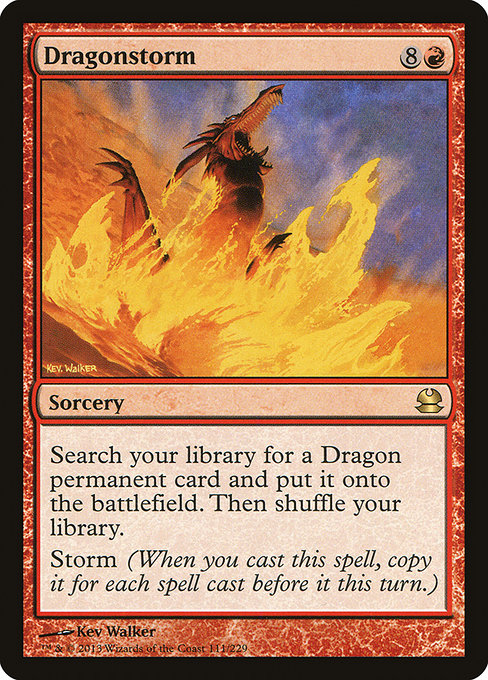
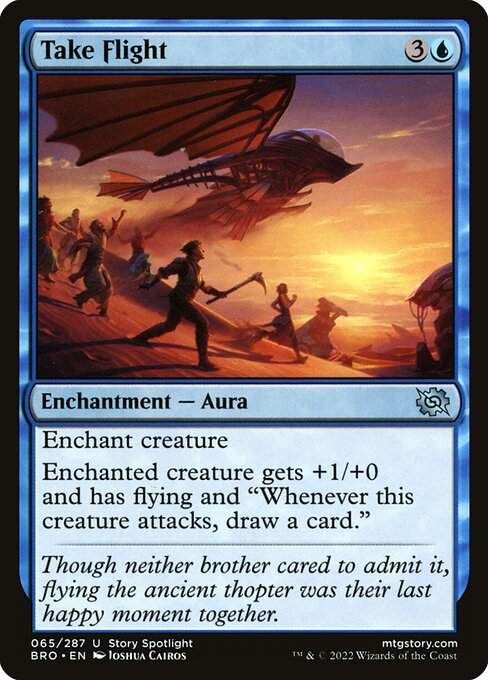
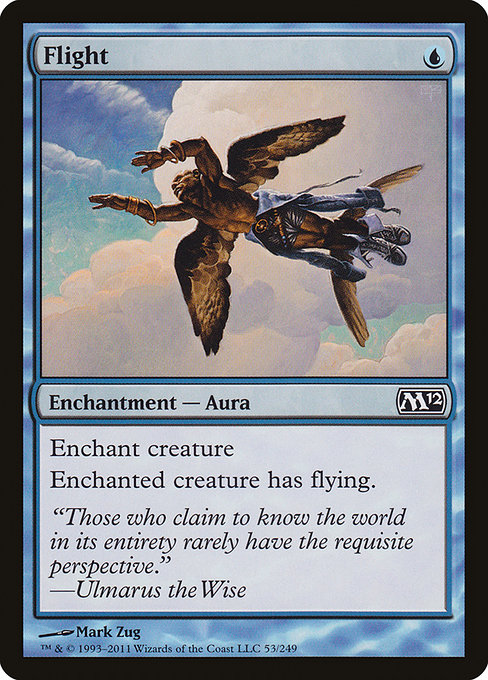
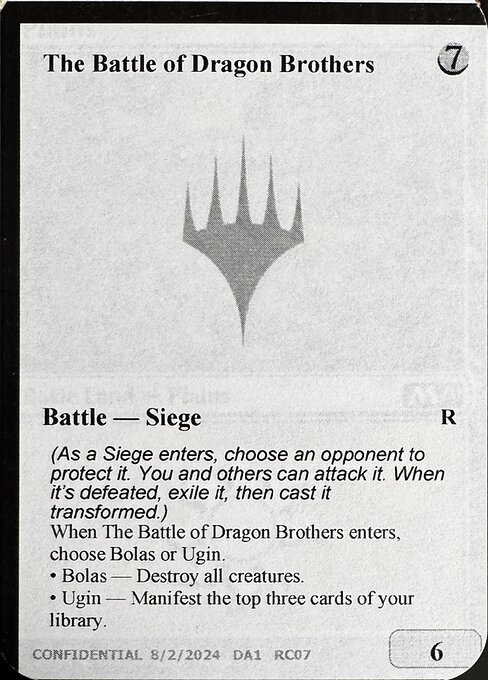
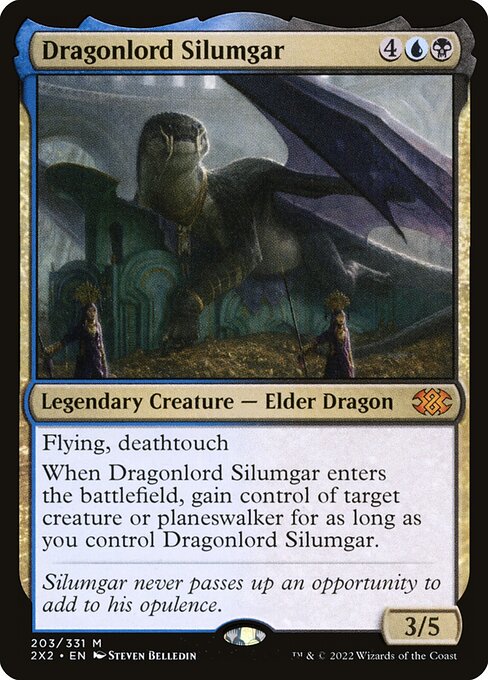
The format is defined by high threat density. Commons and uncommons are solid, but the rares and mythics are where the real bombs live. You'll see a lot of three- and even four-color decks because the fixing-especially the Khans fetches and the Fate Reforged tri-lands-is good enough to make it work. That said, two-color aggro is still a real strategy, especially if you curve out with cheap creatures and tempo spells. The key is knowing which dragons to pick and how to build around them.
The Five Dragons That Define the Format
the headliners. These are the cards you want to build around, and they often dictate the pace of the draft.
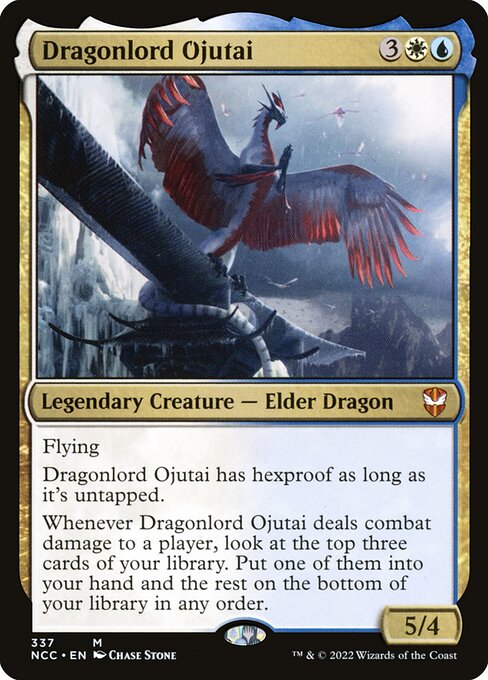
Dragonlord Ojutai (U/W)
Three mana for a 4/4 flying, hexproof creature is already great. The scry 2 when it enters is the icing on the cake. Ojutai comes down early, dodges most removal, and immediately starts filtering your draws. The +1 ability exiles a permanent, which can shut down an opponent's key threat. And if the game goes long, that -8 emblem means you'll control every Dragon on the battlefield, turning the tide completely. In draft, Ojutai is an easy first-pick and will win games on its own in any blue-white or Jeskai deck.
Dragonlord Silumgar (U/B)
At five mana, Silumgar is a 5/5 flyer with hexproof. Its enters-the-battlefield effect is brutal: you look at your opponent's hand and exile a nonland card, stripping their best threat or answer. The +1 deals 1 damage to a player or planeswalker-great for finishing off a planeswalker or chipping away. The -3 bounces a creature, giving you tempo. The emblem at -8 draws you two cards whenever you cast a Dragon, fueling your late-game. Silumgar is a powerhouse in Dimir or Sultai control decks that want to grind the opponent down.
Dragonlord Atarka (R/G)
Atarka is a 5/5 trample flying dragon for three red and two green. That's a beating. Its ETBF can destroy any creature with power 4 or greater, which deals with opposing bombs. The +1 pumps it by +2/+0 and gives trample until end of turn, making it a terrifying attacker. The -3 deals 5 damage to any creature, and the -8 emblem boosts all your Dragons to 5/5 with flying. Atarka is the perfect finisher for Gruul or Temur stompy decks that want to go over the top.
Sarkhan Unbroken
Sarkhan Unbroken is a red planeswalker that comes in at three loyalty. His +1 deals 2 damage to any target-excellent for removing small creatures or pinging planeswalkers. The -3 creates a 5/5 red Dragon token with flying, which is an immediate threat. And his -7 emblem gives you Dragon pings: whenever a Dragon attacks, it deals 4 damage to any target. That's insane reach. Sarkhan is a bomb in Mardu or Temur aggro-control decks that can protect him for a turn or two.
Savage Knuckleblade (R/G)
This two-mana 2/2 Human Berserker with prowess might not look like much until you realize it's a 4/4 on turn three after you cast a bounce spell or a combat trick. Knuckleblade is the quintessential aggressive two-drop that curves into any noncreature spells. It's especially potent in Gruul or Temur decks that are spellslingers and want to apply early pressure. If you have even one noncreature spell in hand, Knuckleblade becomes a terror that your opponent must answer immediately or die.
Archetype Breakdown: Which Clans Want Which Dragons?
The five clans from Tarkir still form the backbone of the format, but each has a different relationship with the Dragonlords.
Jeskai (U/R/W)
Jeskai is the natural home for Dragonlord Ojutai. The deck plays a high density of instants and sorceries to trigger prowess on creatures like Monastery Swiftspear and to protect Ojutai. You'll want to play a mix of cheap spells and evasive threats. Ojutai fits like a glove, providing a late-game finisher that's hard to deal with. Sarkhan Unbroken also finds a home here because the red spells complement the blue-white base. A common line of play sees you dropping a Seeker of the Way on turn two, then following up with an Ojutai's Command on turn three to counter a removal spell and bring back your Seeker, all while protecting your board. This tempo-oriented strategy is strong.
Sultai (B/G/U)
Sultai is a graveyard-centric delve deck that also loves control elements. Dragonlord Silumgar is a perfect top-end threat because you can spend the early game setting up your board and controlling the opponent, then drop Silumgar to exile their hand. The delve creatures are great at filling the graveyard, and Silumgar's abilities give you a way to close out the game even if your graveyard is empty. Pair Silumgar with some removal and you've got a deck that can grind out wins. Cards like Gurmag Angler and Tasigur, the Golden Fang are fantastic early-to-mid game threats that use your filled graveyard. A typical Sultai game involves trading resources, perhaps with an early Thoughtseize if you're building a constructed deck, then stabilizing with something like a Murderous Cut before landing Silumgar to take over.
Mardu (R/W/B)
Mardu is all about raid and aggressive creatures. Savage Knuckleblade is a star here because you'll be casting cheap noncreature spells to trigger raid effects. Sarkhan Unbroken adds a strong planeswalker that can stabilize the board or provide a huge Dragon token. The deck is fast and can win on turn five with a well-timed Knuckleblade or a Sarkhan ultimate. Don't sleep on Mardu-it's one of the most consistent aggro decks in the format. You're looking for cards like Goblin Rabblemaster and Crackling Doom to push through damage and clear the way. A turn one Bloodsoaked Champion into a turn two Mardu Warshrieker and a turn three Sarkhan Unbroken is a brutal curve that many opponents won't recover from.
Temur (G/U/R)
Temur is the ferocious clan that loves big creatures and spells. Both Dragonlord Atarka and Savage Knuckleblade fit right in. You can use cheap spells to prowess creatures and then drop Atarka to trample over everything. The deck often goes bigger than Gruul because it can splash blue for counterspells and card draw, making it more resilient. Atarka's ability to destroy big creatures is huge in a meta full of other dragons. Look for cards like Stubborn Denial to protect your key threats and Shaman of the Great Hunt to provide additional pressure and card advantage. A common winning line is to land a Savage Knuckleblade early, pressure, then cast Temur Charm to clear a blocker and push damage, before slamming Dragonlord Atarka to finish the game.
Gruul (R/G)
Gruul is pure stompy: you want to curve out with creatures and attack. Savage Knuckleblade and Dragonlord Atarka are the top-end. You'll play a lot of two- and three-drops that hit hard, and you don't care much about interaction-you just want to race. Atarka's ability to destroy opposing threats is a huge upgrade from most gruul decks. If you can survive to turn five, you'll likely win. Key cards here are aggressive two-drops like Heir of the Wilds and efficient removal like Lightning Strike. A turn two Savage Knuckleblade followed by a turn three Roast on their blocker, then swinging for 4, is a classic way to get ahead. The goal is to maximize your threat density and go face.
Abzan (W/B/G)
Abzan is the +1/+1 counter archetype with outlast. It's midrange and grindy, but it lacks a natural dragon finisher. You might splash for Ojutai or Silumgar if you open them, but they're not in your colors. Abzan is more about incremental advantage and board presence. It's playable, but it's not where you want to be if you're hunting for the big dragons. Instead, Abzan relies on cards like Anafenza, the Foremost and Siege Rhino to generate value and stabilize the board. While it might not have the flashy dragons, a well-built Abzan deck can still grind out wins by going wide with outlast creatures and then dropping a strong non-Dragon threat like Wingmate Roc.
Commons & Uncommons That Hold It Together
Beyond the bombs, the format's backbone consists of solid commons and uncommons. In Jeskai, you want Monastery Swiftspear, Valeron Outpost, and Mantis Rider. In Sultai, Treasure Cruise and delve creatures like Sidisi, Undead Vizier are nuts. Mardu loves Mardu Hordechief and Lightning Strike. Temur and Gruul both want Rattleclaw Mystic and Sarkhan's Unsealing. And white's Merciless Executioner is a great removal spell that trades up. The fixing is also crucial: cards like Evolving Wilds, Fetid Pools, and Canopy Vista are must-plays if you're playing three colors. Don't underestimate the power of a good mana base-it's what enables those greedy dragon decks. You need to ensure you hit your colors consistently, especially if you're trying to cast something like Dragonlord Atarka on curve. Using a Mana Base Calculator can really help you figure out the right land proportions for your ambitious mana requirements.
Draft Strategy: Prioritizing Power and Consistency
When you're drafting Tarkir Dragonstorm, the first few picks are usually about grabbing the most strong card in the pack. If that's a Dragonlord, great! But don't force it. If you open a strong common like Kin-Tree Invocation or Debilitating Injury, take it and stay open. The format rewards players who can read signals and pivot. If you see a lot of blue and white cards early, you might lean into Jeskai. If black cards are flowing, Sultai could be your path. It's often better to have a consistent two-color deck with good synergy than a clunky five-color deck that struggles to cast its spells.
Mid-draft, start looking for your fixing. The tri-lands like Jungle Shrine and Opulent Palace are high picks, especially if you're already in two colors that they support. Evolving Wilds is a solid pick to help smooth out your mana, and don't forget about cards like Frontier Bivouac. You need enough colored sources to reliably cast your spells. For a three-color deck, you're usually aiming for at least 14-16 sources of each of your primary colors. If you're running a four-color monstrosity to power out something like Dragonlord Atarka, you might need even more, and a Mana Base Calculator can be your best friend to avoid mana screw.
Late in the draft, focus on filling out your curve and picking up removal. Even if you have a bomb Dragon, you still need early plays and ways to interact. Cards like Pacifism, Swift Reckoning, and Cancel are always welcome. Don't ignore creatures that fit your curve, even if they're not flashy. A Ruthless Ripper can trade with bigger threats, and a Dragon's Eye Sentry can hold the ground. It's all about building a cohesive deck that can both apply pressure and answer threats.
Sample Jeskai Dragonlord Ojutai Draft Deck
Here's an example of a solid Jeskai deck that aims to maximize Dragonlord Ojutai. This list focuses on a good mix of early game interaction, efficient creatures, and strong top-end threats. The mana base is crucial here, aiming for consistency to cast spells on curve.
This deck aims to be aggressive in the early game with Monastery Swiftspear and Seeker of the Way, backed by cheap removal like Lightning Strike and Swift Reckoning. Mantis Rider provides a strong mid-game flyer. The real stars are Dragonlord Ojutai and Citadel Siege, which can take over the game if left unchecked. Ojutai's Command is versatile, letting you counter threats or bring back an early creature. Treasure Cruise is your late-game card advantage engine, fueled by all the cheap spells. The sideboard offers answers to various threats, from enchantment removal with Erase to counterspells like Dispel and Negate for control matchups.
Bottom Line
Tarkir Dragonstorm draft is one of the most fun and deep formats in recent memory. The dragons are real, the clans are flavorful, and every draft feels like you're building something special. If you see Dragonlord Ojutai, take it. If you can support it, you'll be in for a treat. And if you're on the other side, hope you packed enough removal. Happy drafting!
The format truly rewards understanding your color commitments. Don't just jam all the strong cards; make sure your mana can support them. Use tools like the Mana Base Calculator to optimize your land count, especially when splashing for a third or fourth color. And if you want to get some practice in before your next FNM, hit up the Draft Simulator to get a feel for the picks and signals. The more you practice, the better you'll get at working through the complexities of Tarkir Dragonstorm. We'll be keeping an eye on the meta, but for now, the dragons are definitely flying high!