The Psychology Behind Pack Rat's Power Move
I've first-picked Pack Rat out of packs with objectively better cards in them, and I'd do it again every time. When you crack that booster and see Pack Rat staring back, it's not just a 2-mana creature—it's a psychological weapon. The moment those three black symbols hit the table, watch the draft matrix unfold. Player to your right leans forward slightly—that's a subconscious claim. The left neighbor's shoulders slump—that's the black signal she can't play. The guy across the table? He's already calculating splash costs in his head. These micro-reactions tell a story stronger than any voice line, and smart drafters exploit this every single week.
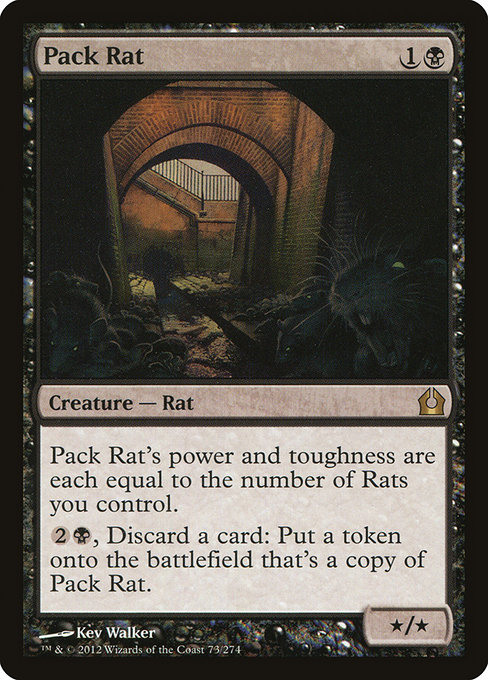
Pack Rat's presence changes draft dynamics before the first pick. It's not just about the power level—it's about commitment signaling. When you first-pick Pack Rat, you're broadcasting "I'm black, I'm all-in on discard, and I want you out of my lane." But here's the deeper play: players respond to this signal in predictable patterns. Those who respect the commitment fold quickly, creating potential wheel opportunities in future packs. The aggressive drafters double down, leading to color collisions that benefit the Rat's controller. You're not just taking a card—you're manipulating the entire table's color distribution.
It's pure mind games. The beauty of Pack Rat is that it demands an answer, and that demand starts from the moment it's picked. Opponents are forced to consider black hate, even if they aren't in black themselves, because a resolved Pack Rat can snowball out of control faster than almost anything else at its mana cost. This forces them to spend early picks on answers or commit to colors that don't overlap, which leaves other valuable cards open for you later.
Advanced Tell Reading: Beyond Faces
Body language runs deeper than smiles and frowns. Watch for the subtle tells that reveal hidden strategy:
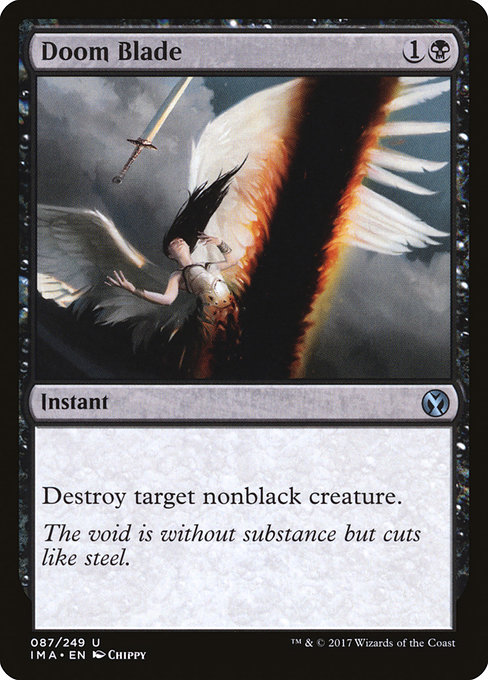
- The card reach test: when Doom Blade appears, notice how players reach for it—hesitant fingers suggest they're unsure about black, confident grabbers signal committed colors
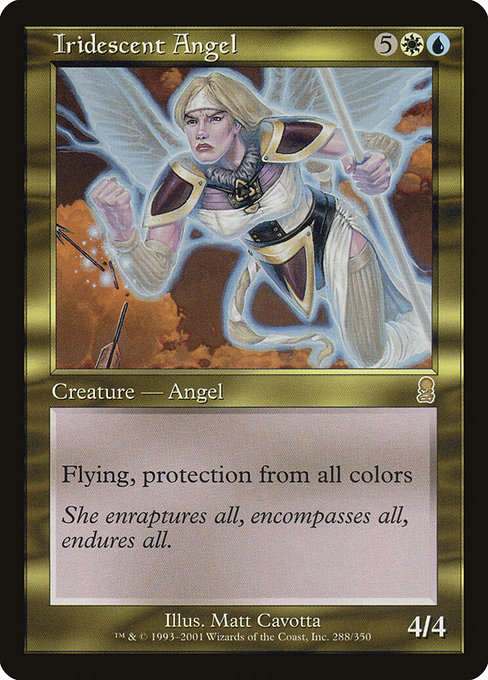
- The stack shuffle speed: rapid riffling after seeing Iridescent Angel often indicates strong white identity
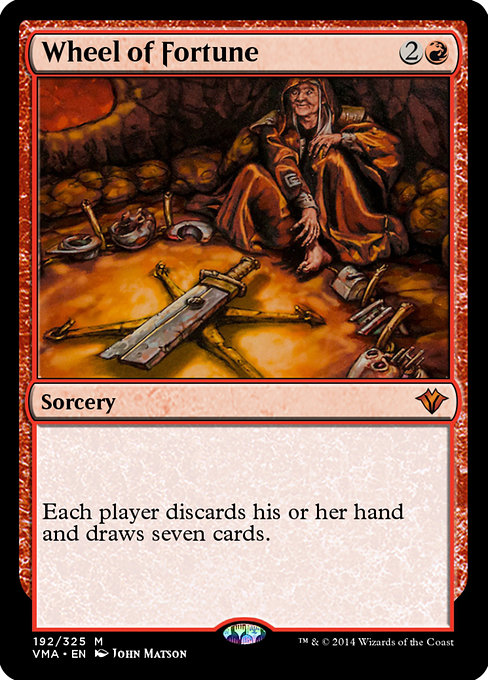
- The eye movement pattern during Wheel of Fortune reads—those who glance left then right are calculating card availability, not just current pack value
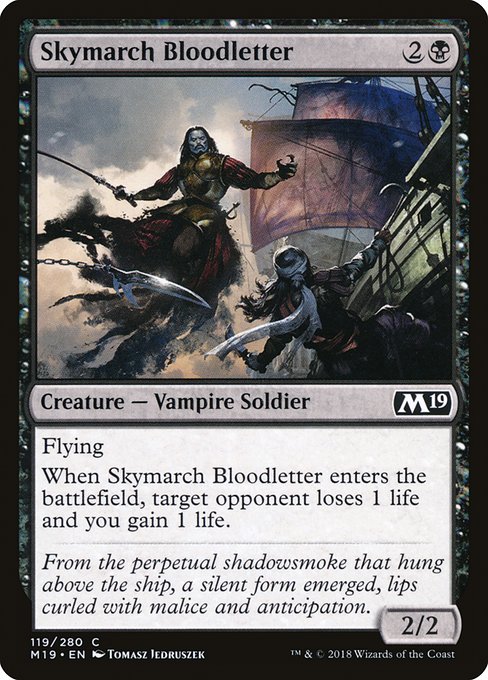
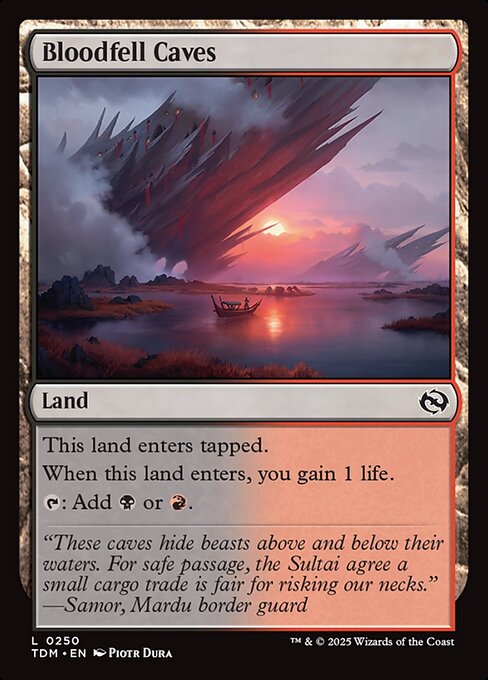
The real reads happen in the spaces between picks. When someone sets a card face-down instead of immediately adding it to their pile, they're signaling uncertainty—you just got valuable information about their colors. The quick flip of a Mulldrifter before the next pack? That's a tempo player locking in curve acceleration. These micro-expressions compound over the 16 picks of pack one, creating an accurate player map that's more reliable than any algorithm. A player who hesitates on a [[Skymarch Bloodletter]] might be on the fence about vampires, but if they snatch up a [[Bloodfell Caves]] immediately after, they're likely trying to smooth out their mana for a two-color aggro deck.
Knowing these tells lets you exploit their decisions. If you see someone reluctantly pass a [[Lightning Bolt]] but snap up a [[Giant Growth]], you know they're probably in green and trying to avoid red, leaving that color open for you. This kind of information is gold, especially in later packs when you're trying to figure out what's going to wheel.
Pack Rat in Context: Draft Archetype Interference
Understanding Pack Rat's true impact requires meta-knowledge of classic draft formats. In Gatecrash, Pack Rat completely warped the table—first-picking it forced players into black/red sacrifice decks or black/blue reanimation strategies. The current standard draft mirrors show similar patterns: when you take Pack Rat early, you're not just playing black—you're signaling affinity for discard engines and creature sacrifice. This triggers cascading effects throughout the table.
Consider the ripple effects: Player A takes Pack Rat first pick, immediately locking into black. Players B and C, seeing this, pivot toward green/red midrange to avoid conflict. This opens white cards for players D through E, who now have access to premium white removal that would normally be contested. By pick six, you might wheel a Doom Blade that would never normally reach you—the early Rat signal reshaped the entire table's decision tree. The art isn't just in taking Pack Rat—it's in reading the waves it creates in other packs. This is especially true in formats where black has strong synergy pieces, like [[Carrion Feeder]] or [[Ayara, First of Locthwain]], which make the Pack Rat even more threatening.
Think about a format like War of the Spark. If you first-pick Pack Rat, you're not just taking a black card; you're actively discouraging others from drafting the strong black planeswalkers like [[Liliana, Dreadhorde General]]. They'll see your signal and move into other colors, effectively leaving those bombs open for you if you get lucky, or at least reducing competition for other strong black commons and uncommons. You're carving out your lane with a single, aggressive pick.
Premium Pack Reads
The pack itself tells stories, but only to those who speak fluent draft. When you see multiple removal spells early—say, Doom Blade alongside [[Grave Titan]]—that's not random card distribution. That's the format telling you which colors are open AND which archetypes are being underdrafted. The key is recognizing that premium removal always signals more than just card value.
Take this scenario: Pack one has [[Lightning Strike]], [[Murder]], and [[Pacifism]] all in the same pack. Instead of picking the best card, successful drafters read this as "red/blue/white are all potentially open." But deeper analysis reveals the true signal: the absence of green cards in this pack suggests green is heavily contested—the red signal might be weaker than it appears. Players who recognize this gain card advantage by drafting into the underestimated colors. The pack isn't just offering cards—it's providing meta-strategy information. If you see a [[Fleshbag Marauder]] followed by a [[Bone Splinters]], and then another black common, that's a huge sign black is open, especially if the strong rare is in another color that someone else has already picked. You can confidently move into black knowing you'll get good cards.
This is where the Hypergeometric Calculator comes in handy. While you can't use it mid-draft, simulating different pick scenarios and seeing the likelihood of certain cards appearing or wheeling helps build that intuitive understanding. Knowing the probability of seeing a second [[Murder]] after you've passed one helps refine your mental model of the draft.
Counter-Signals: When Your Tells Lie
Master drafters learn to weaponize these signals. Early in a draft, passing [[Pack Rat]] after taking [[Doom Blade]] sends a deceptive signal. It suggests "black is open," encouraging opponents to flood into your preferred colors. Meanwhile, you've identified Rat as the bait—those first two black cards were premium removal. The real strategy emerged in pack two when wheels of [[Dark Ritual]] and [[Sign in Blood]] revealed the true open black cards. By misreading the Rat signal, you've successfully manipulated other players' color choices.
Advanced counter-strategy involves deliberately feeding false signals through selective wheeling. Let that [[Mulldrifter]] wheel pack one while you quietly draft [[Terror]]—it signals blue is open, possibly sending blue players into your lane. Then wheel [[Mind Blade]] pack three while maintaining black commitment. You're getting premium black cards while opponents self-exile from your colors based on false blue signals. This level of psychological drafting requires format expertise, but it separates the consistent drafters from the weekend warriors. It's like bluffing in poker; you're making a play that looks one way, but you've got something entirely different cooking.
A classic counter-signal is taking a strong off-color rare that you have no intention of playing, just to send signals. If you're in black-red aggro and [[Teferi, Hero of Dominaria]] shows up, taking it might scare someone off blue or white. It's a costly pick, but the information advantage can be worth it if it means you get a [[Goblin Rabblemaster]] or [[Chandra, Torch of Defiance]] later uncontested. You're playing chess, not checkers.
Metagame Memory and Format Trends
Context matters immensely across different formats. In [[Theros Beyond Death]], Pack Rat was a premium bomb—its presence changed everything. In [[Commander Legends]], the same card was merely solid. The draft environment's power level directly impacts how you read these signals. Understanding seasonal power creep helps predict how strongly players will react to premium cards.
Modern draft formats have evolved significantly—where [[Mulldrifter]] once dominated as early game pressure, current metas see it as a mid-game stabilizer. These shifts change the read dynamics when Pack Rat appears. If you're drafting a format where [[Grave Titan]] exists, passing Rat first-pick tells a different story than packing it in [[Kaladesh]] where [[Heart of Kiran]] and [[Aether Hub]] dominate. Format context determines signal strength, and smart drafters adjust their read weights accordingly. For example, in a format with a strong Dimir control archetype, like the current Standard with Dimir Excruciator at 8.6% or Dimir Midrange at 7.4%, the signals for black and blue are going to be heavily contested. Pack Rat would be a much stronger signal in such a meta, as players are already looking to snap up those colors.
The current Standard meta is 60% aggro, 29% control, and 11% combo. If you're drafting a set that reflects this, early signals for aggro colors (like red or green) will be heavily taken. If you pick Pack Rat and signal black, you might find opponents more willing to give up on black for their preferred aggro strategies. This is a crucial read: understanding the meta-level preferences of the format helps you predict how players will react to your signals.
Practice Scenarios: The 8-Person Draft
Consider this typical 8-person draft scenario: you open [[Leonin Arbiter]] and [[Pacifism]] in your first pack. Your immediate read tells you white might be open, but the presence of Arbiter suggests [[Tarmogoyf]] could wheel. The second pack brings [[Restoration Angel]] and [[Fiend Hunter]]—clear white signals. Now the real magic happens: your Pack Rat third-pick forces players adjacent to read the table's color distribution. By wheeling Pacifism, you signal white is heavily contested, encouraging opponents into different colors. Your final read reveals that red/black are under-drafted, leading to a perfect three-way split that maximizes card quality across all players. This level of dynamic adjustment separates the champions from the pack rats.
In this scenario, if you pick Pack Rat, you're not just taking a card, you're also noting what the player to your left picks. If they take a [[Lightning Bolt]], you know they're moving into red. If they pass a strong blue card, that's another data point. You're building a mental map of the table, and Pack Rat is your compass. Knowing when to pivot or double down on your signals is key. If you realize black is drying up, you might need to splash a third color for a bomb, and having those early reads will help you secure the necessary mana fixers. You can even use the Mana Base Calculator to figure out if your potential three-color splash is stable enough.
The Social Engineering Layer
Once you're comfortable reading packs, the next level involves active social manipulation. The classic move: when you see [[Pack Rat]] third-pick, instead of immediately drafting black, you pass it while taking the best available card in another color. In pack two, you wheel [[Dark Ritual]] and [[Sign in Blood]], then in pack three, you quietly transition into black. The players who saw you pass Rat pack one now assume you're not in black, creating opportunities for premium black cards while avoiding early conflict. This creates a three-round cycle of misdirection that maximizes your card quality while minimizing color competition.
The psychological angle extends beyond color signaling. When you deliberately pass premium removal early, you're feeding specific narratives about your strategy. Players observing these moves learn patterns, adjust, and reveal their own color preferences. This two-way communication channel allows sophisticated meta-strategy—where you can manipulate not just pack wheels, but entire draft dynamics. This is why having a strong understanding of other popular archetypes, like Mono-Red Prowess in Pioneer (19% of the meta) or Boros Energy in Modern (16.8%), is so important. You can use their prevalence as a baseline for what colors other players are likely to gravitate towards, and then exploit those tendencies.
Commander Implications and Format Crossover
Understanding Pack Rat's impact requires expanding the timeline beyond single draft events. This single card has influenced Commander deckbuilding strategies for years—its discard engine and token generation make it a staple in aristocrats builds. The [[Leonard, Splintered Mind]] from [[Commander 2017]] and subsequent printing trends show how individual cards create lasting archetype shifts. When you see Pack Rat in a draft pack, you're not just evaluating that specific pick—you're contributing to a larger ecosystem of deck evolution.
The tournament impact extends beyond individual games. [[Pro Tour]] analysis reveals that draft formats featuring discard-heavy strategies influence constructed meta development. When players consistently favor [[Mulldrifter]] styles over [[Sylvan Ranger]] curve strategies, the long-term implications reach multiple formats simultaneously. Understanding these connections allows advanced level planning—where single draft reads contribute to larger deck strategy trends. The shift in Standard towards aggro (60% of the meta) might mean players are more willing to draft aggressive creatures, making a Pack Rat signal even stronger as they'll want to avoid direct competition. Conversely, in Pioneer, where combo is 45% of the meta, players might be less concerned about early aggro signals and more focused on assembling their combos, making Pack Rat less of a deterrent.
Final Thoughts: Master the Micro-Reads
Mastering draft reads isn't about memorizing card interactions—it's about understanding human psychology under pressure. Every pack, every pass, every wheel is data that improves your decision making. The most successful drafters use these reads as foundation, not gospel. They adapt constantly, reading not just cards, but opponents' evolving strategies.
The key is building a mental database of scenarios: when seeing [[Pack Rat]] triggers specific responses, when [[Doom Blade]] wheels indicate color openness, when [[Mulldrifter]] signals define table dynamics. These patterns compound over time, creating a sixth sense for draft optimization. The player who sees not just the cards on the table, but the entire draft ecosystem as it evolves—that's the player who turns Pack Rat from a simple 2-drop into a complete meta-strategy.
Remember: every draft tells a story. Your role is learning to read it fluently enough that you can write the ending you want. The best drafters aren't just picking the right cards—they're choosing the right narrative to play out across three rounds of pack manipulation. That's the difference between good players and great ones. If you want to get better, spend some time on our Draft Simulator. It's a great way to practice these reads without the pressure of a real pod. You can iterate on different strategies, test your signals, and see how the bots react. It's invaluable practice.
Try it yourself: